Why I Swapped My Morning Coffee for a Microdose Mushroom Coffee Blend
For years I started every morning with a dark roast that hit my stomach like a freight train. By ten o'clock I was jittery, by noon I was crashing, and by three I was reaching for a second cup just to function. I knew something had to change, but I wasn't ready to give up the ritual of a warm, grounding cup first thing. That's when I stumbled into the world of functional coffee blends and eventually found my way to microdose mushroom coffee.
It wasn't a dramatic switch. I started slowly replacing my usual grounds with a mix that included organic coffee beans blended with mushroom powders. The first thing I noticed was the absence of that sharp, anxious edge that regular coffee sometimes left behind. Instead I felt alert but calm, focused but not wired. Over the next few weeks I started paying closer attention to what was actually in the cup and how it was changing my mornings.
What Makes a Functional Coffee Blend Different
A functional coffee blend is exactly what it sounds like. It takes the base of good quality coffee and adds ingredients that offer more than just caffeine. These additions often include adaptogenic herbs, medicinal mushroom powders, and sometimes nootropic compounds. The goal is to preserve the stimulating effects of coffee while smoothing out the rough edges and introducing secondary benefits like immune support or cognitive enhancement.
When I first started researching this space I came across brands like Four Sigmatic and MUD/WTR, both of which popularized the idea of mixing coffee with mushroom extracts. Four Sigmatic, for example, uses lion's mane mushroom and chaga mushroom in their blends. MUD/WTR takes a different approach by cutting the coffee content significantly and leaning heavier on mushrooms like reishi and cordyceps. These products helped normalize the concept of putting mushrooms in your morning brew, but they also opened the door for something more specific: the rise of psilocybin microdosing in a daily drink.
How Microdose Mushroom Coffee Fits Into a Daily Routine
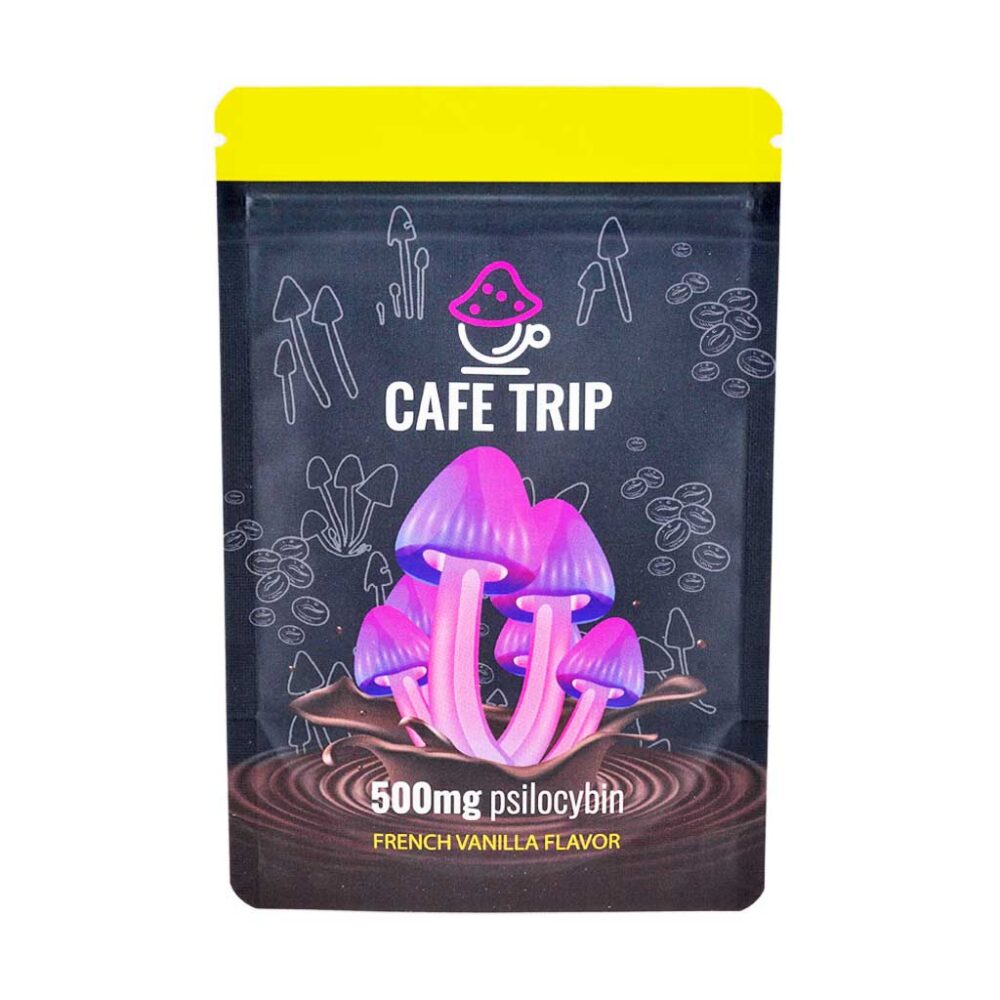
Microdose mushroom coffee sits at the intersection of psychedelic wellness and everyday practicality. Instead of taking a separate capsule or tincture, you get your microdose of psilocybin mixed directly into a warm beverage. For people who are already following a microdosing protocol, this simplifies the morning routine. You don't have to measure out doses or remember to take a pill. You just brew your coffee and drink it.
I've found that the key is consistency. A proper microdosing protocol usually calls for a schedule, like one day on and two days off, or five days on and two days off. The exact cadence varies from person to person. What matters is that the dose is low enough that you don't feel a psychedelic effect, but high enough that you notice subtle shifts in mood, creativity, and focus over time. Adding that dose to a functional coffee blend makes it feel less clinical and more like a normal part of your morning.
One of the biggest benefits I've experienced is what I can only describe as brain fog relief. I work in a field that requires sustained attention and creative problem solving, and before I started microdosing I often hit a wall by mid-morning. The combination of caffeine and a low dose of psilocybin, especially when paired with lion's mane mushroom, created a noticeable lift in mental clarity. I could hold complex thoughts longer, switch between tasks more smoothly, and I didn't crash in the afternoon.
The Role of Adaptogenic Herbs and Medicinal Mushrooms
Not every functional coffee blend contains psilocybin. In fact, most of the commercially available ones do not. Products like MUD/WTR and Four Sigmatic rely on legal mushrooms and herbs. Lion's mane mushroom is one of the most common ingredients because of its reputation for supporting nerve growth factor and cognitive function. Cordyceps mushroom is another favorite, valued for its ability to boost athletic performance and energy without jitters. Chaga mushroom is added for its antioxidant properties, and reishi mushroom is often included for stress reduction and immune modulation.
When you add psilocybin into that mix, you're essentially creating a nootropic stack that draws from both the adaptogenic and the psychedelic traditions. Paul Stamets, a well-known mycologist, popularized a specific combination called the Stamets Stack, which pairs lion's mane mushroom with psilocybin and niacin. The idea is that the lion's mane enhances neurogenesis while the psilocybin promotes neural plasticity, and the niacin helps with absorption. A lot of people who microdose follow this stack in some form, and a well-made microdose mushroom coffee is essentially a warm, drinkable version of it.
What to Look for in a Quality Blend
Not all mushroom coffee is created equal. I've tried versions that tasted like bitter dirt with no noticeable effect, and I've tried others that were smooth, rich, and genuinely helpful. Here are a few things I've learned to look for:
- The coffee base should be high quality. Organic coffee beans make a real difference in taste and in how your body handles the caffeine.
- The mushroom content should be clearly labeled. You want to know which species are included and in what amounts. Lion's mane, cordyceps, chaga, and reishi are the most common, but the ratios matter.
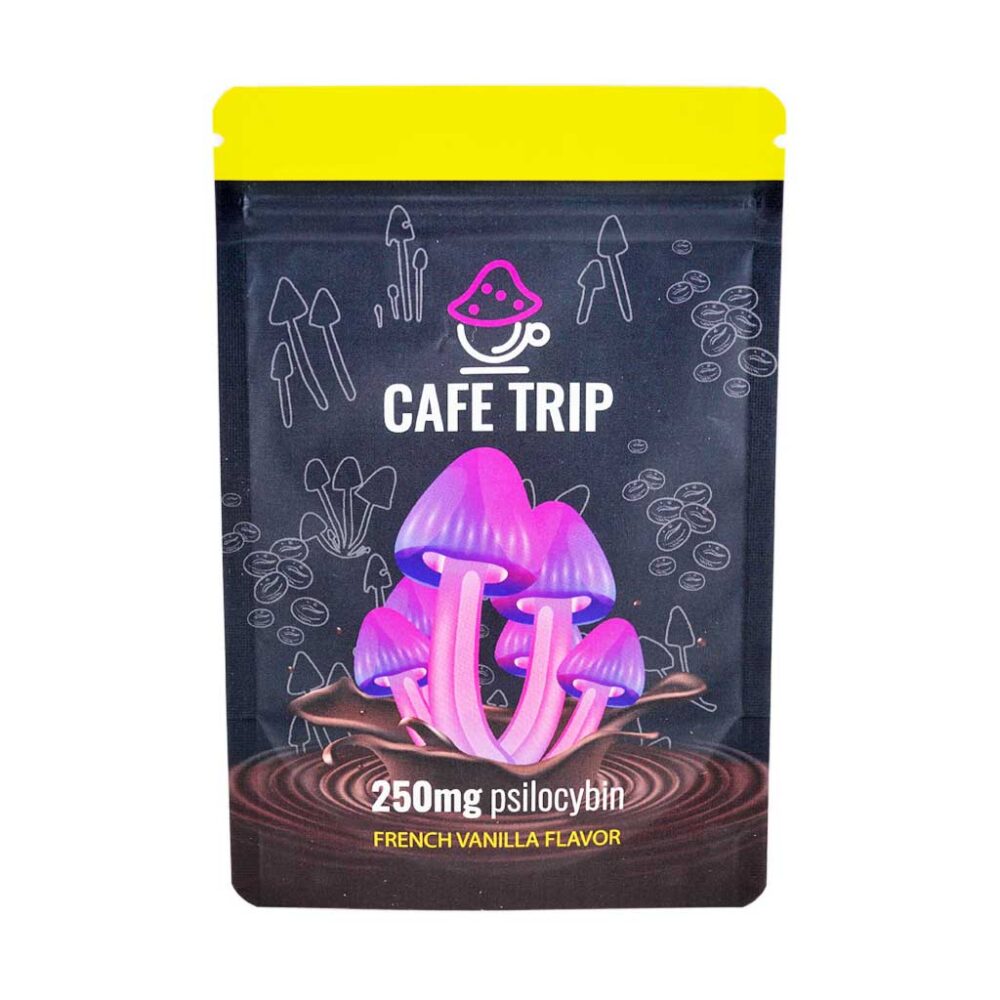
- If the blend contains psilocybin, the dosage should be consistent and low. A true microdose is usually between 0.1 and 0.3 grams of dried material. Anything higher risks tipping into a noticeable experience.
- Avoid blends with added sugars or artificial flavorings. The best ones let the natural flavors of the coffee and mushrooms come through, sometimes with a touch of cacao or cinnamon.
- Look for transparency about sourcing. Knowing where the mushrooms were grown and how they were processed gives you confidence in the product.
Comparing Mushroom Coffee to Other Functional Drinks
Before I settled into a routine with microdose mushroom coffee, I experimented with other options. CBD coffee was one of the first I tried. It definitely took the edge off the caffeine, but I found it made me a little too relaxed for focused work. It was better for winding down than gearing up. I also tried mushroom hot chocolates and truffle chocolate infused with adaptogens, which were pleasant but didn't give me the same cognitive lift.
What sets a well-formulated mushroom coffee apart is the synergy between the caffeine and the nootropic compounds. The coffee provides immediate alertness, while the mushrooms and adaptogens work on a longer timeline to support mood, immunity, and mental endurance. It's not a replacement for sleep, exercise, or good nutrition, but it can be a helpful tool within a broader wellness routine.
Practical Considerations and Trade-Offs
I should be honest about the downsides. The taste of mushroom coffee is not for everyone. Even with good quality beans, there is an earthy undertone that takes some getting used to. If you are used to sugary lattes or flavored creamers, the transition might feel jarring. I found that adding a splash of oat milk and a pinch of cinnamon helped bridge the gap.
Another thing to keep in mind is legality. Psilocybin remains a controlled substance in many places, so a microdose mushroom coffee that contains psilocybin is not available everywhere. You have to be aware of the laws where you live and source your products accordingly. Some people choose to make their own by adding a measured microdose to a store-bought functional coffee blend, which gives them more control over the ingredients and the dosage.
Finally, it's worth noting that microdosing is not a magic bullet. I've had days where the coffee did nothing noticeable, and I've had days where the combination of caffeine and psilocybin felt slightly too stimulating. Paying attention to how your body responds and adjusting the dose or the frequency is part of the process. A good microdosing protocol is flexible and personal.
Bringing It All Together
After months of experimenting, I can say that microdose mushroom coffee has become a staple of my mornings. It gives me the structure of a coffee ritual without the crash, and it supports my mental clarity in a way that plain coffee never did. The combination of organic coffee beans, lion's mane mushroom, and a carefully measured microdose of psilocybin creates a functional drink that feels both grounding and forward-moving.
If you are curious about psychedelic wellness but aren't sure where to start, a cup of mushroom coffee is a low-barrier entry point. It doesn't require a major lifestyle change, and it fits into the same morning routine you already have. Just pay attention to the ingredients, start with a low dose, and give yourself time to notice the subtle shifts. For me, the shift was real, and I haven't looked back.